 by
by Pickleball is full of quirky terms, but none is more famous—or more confusing to beginners—than the pickleball kitchen. This unique zone on the court isn’t about cooking; it’s about pickleball rules, strategy, and history. In this guide, we’ll break down what the kitchen is, why it’s called that, and why it matters so much to the game.
Table of Contents
🥒 What Is the Kitchen in Pickleball?
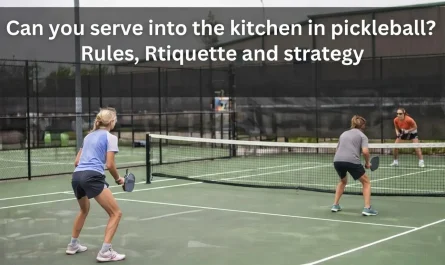
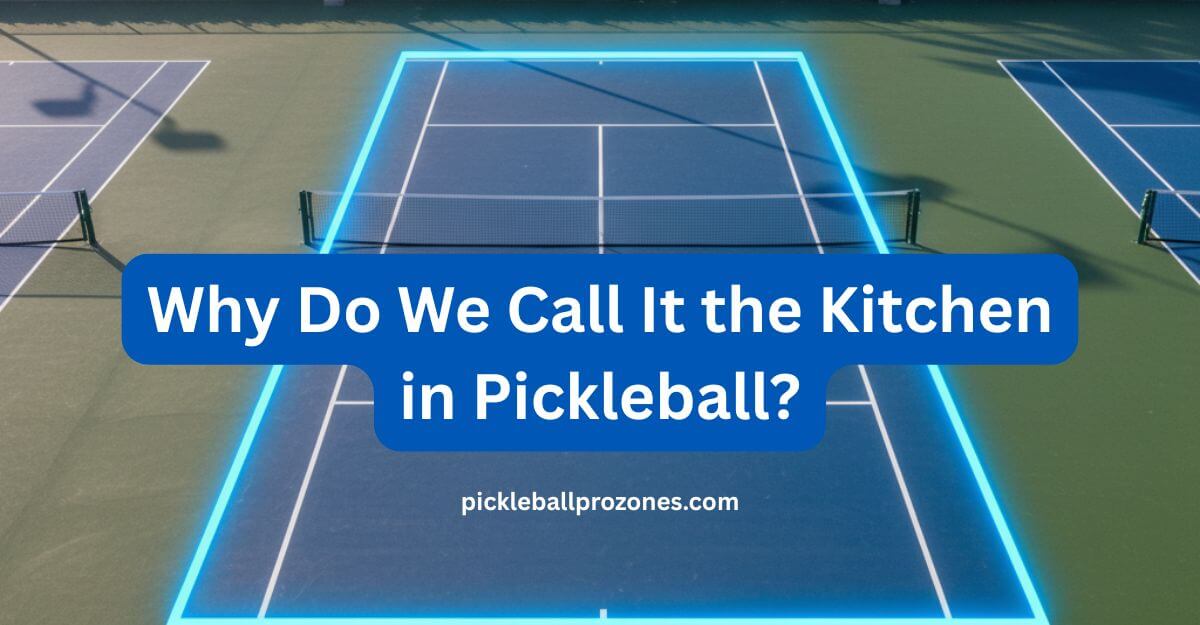
The pickleball kitchen, also known as the non‑volley zone (NVZ), is a 7‑foot area on both sides of the
net. Players cannot volley (hit the ball out of the air) while standing inside this zone. Its purpose is to prevent overpowering smashes at the net and encourage finesse shots like dinks and drop shots.
🤔 Why Do We Call It the Kitchen in Pickleball?
The most accepted theory is that the term came from shuffleboard, where the penalty zone was called the kitchen. Another playful explanation is that being “stuck in the kitchen” is a disadvantage—just like being stuck cooking when you’d rather be playing pickleball. Over time, the slang stuck and became part of pickleball’s official vocabulary.
🎯 Strategic Importance of the Kitchen
The pickleball kitchen rule is central to strategy:
- Balances offense and defense: Stops players from dominating with net smashes.
- Encourages finesse: Promotes dinks, drop shots, and soft play.
- Creates longer rallies: Keeps the game fun and competitive.
- Defines pickleball’s uniqueness: No other racquet sport has a similar NVZ rule.
🔑 Kitchen Rules Every Player Must Know
- You cannot volley while standing in the kitchen.
- You may enter the kitchen to hit a ball that has bounced.
- The kitchen line counts as part of the kitchen—touching it during a volley is a fault.
- Momentum matters: If you volley outside the kitchen but step in afterward, it’s still a fault.
🌟 Fun Fact: The Kitchen Adds Personality to Pickleball
Unlike tennis or badminton, pickleball thrives on quirky names and traditions. The kitchen is more than just a rule—it’s part of what makes pickleball approachable, fun, and unique.
🥒 History of the Kitchen in Pickleball
The history of the kitchen in pickleball goes back to the sport’s early years. The NVZ was introduced to keep rallies fair and balanced. The nickname “kitchen” likely came from shuffleboard terminology, where landing in the kitchen meant losing points. Other theories suggest it was simply player slang that caught on. Today, the kitchen is one of the most recognized features of pickleball worldwide.
❌ Common Misconceptions About the Kitchen
Many beginners misunderstand the pickleball kitchen rules. Here are the most common myths:
- Myth 1: You can never step into the kitchen. ✅ Fact: You can, but only after the ball bounces.
- Myth 2: The kitchen line is safe. ✅ Fact: The line is part of the kitchen, so touching it during a volley is a fault.
- Myth 3: Momentum doesn’t matter. ✅ Fact: Entering the kitchen after a volley due to momentum is still a fault.
- Myth 4: The kitchen is only for beginners. ✅ Fact: Even advanced players rely on kitchen strategy for control.
🎯 Importance of the Kitchen in Pickleball
The importance of the kitchen in pickleball cannot be overstated:
- Ensures fairness by preventing overpowering plays.
- Promotes skill development through soft shots and precision.
- Shapes pickleball’s identity as a sport of strategy, not brute force.
✅ Key Takeaway
The pickleball kitchen is more than a quirky name—it’s a cornerstone of the sport. Its history connects pickleball to other games, its rules prevent unfair play, and its strategy makes rallies exciting. Mastering the kitchen is essential for every player, from beginners to pros.
📌 Frequently Asked Questions (FAQs)
Ques1: Can You Step Into The Kitchen in Pickleball?
Ans: Yes, but only after the pickleball ball bounces. Volleys inside the kitchen are faults.
Ques2: Is The Kitchen Line Part of The Kitchen?
Ans: Yes, the line counts as part of the kitchen. Touching it during a volley is a fault.
Ques3: Why is the Kitchen Important in Pickleball?
Ans: It balances offense and defense, encourages finesse, and keeps rallies fair.
Ques4: Where Did The Term “Kitchen” Come From?
Ans: Most likely from shuffleboard, where the penalty zone was called the kitchen.
Ques5: Do Advanced Players Use The Kitchen?
Ans: Absolutely—mastering dinks and drop shots in the kitchen is key to high‑level play.
Summary
The pickleball kitchen—officially the non-volley zone (NVZ)—is a 7-foot area by the net that prohibits volleys to keep rallies fair and skill-based. Its playful name most likely traces back to shuffleboard’s “kitchen” penalty zone and stuck through community slang. Mastering kitchen rules (no volleys inside, line counts as kitchen, momentum faults) shapes strategy around dinks, drops, and controlled net play. Understanding its history, myths, and importance helps players avoid faults, extend rallies, and win with finesse rather than force. For more information about pickleball visit pickleball pro zones.
- Core definition: The kitchen is the NVZ where volleys are not allowed.
- Likely origin: Borrowed from shuffleboard’s penalty “kitchen”; popularized by player slang.
- Key rules: No volley inside or touching the line; momentum into the kitchen after a volley is a fault.
- Strategic value: Encourages dinks, drops, precision, and balanced gameplay.
- Common myths: You can step in after a bounce; the line is part of the kitchen; momentum faults count.