 by
by Pickleball has become one of the fastest-growing sports in the world, and with its rise comes a unique culture built around accessibility and community. One of the most common terms you’ll hear at courts is “open play” Understanding this concept is key to enjoying the game, especially if you’re new to the sport or looking to connect with other players.
What Is Open Play in Pickleball?
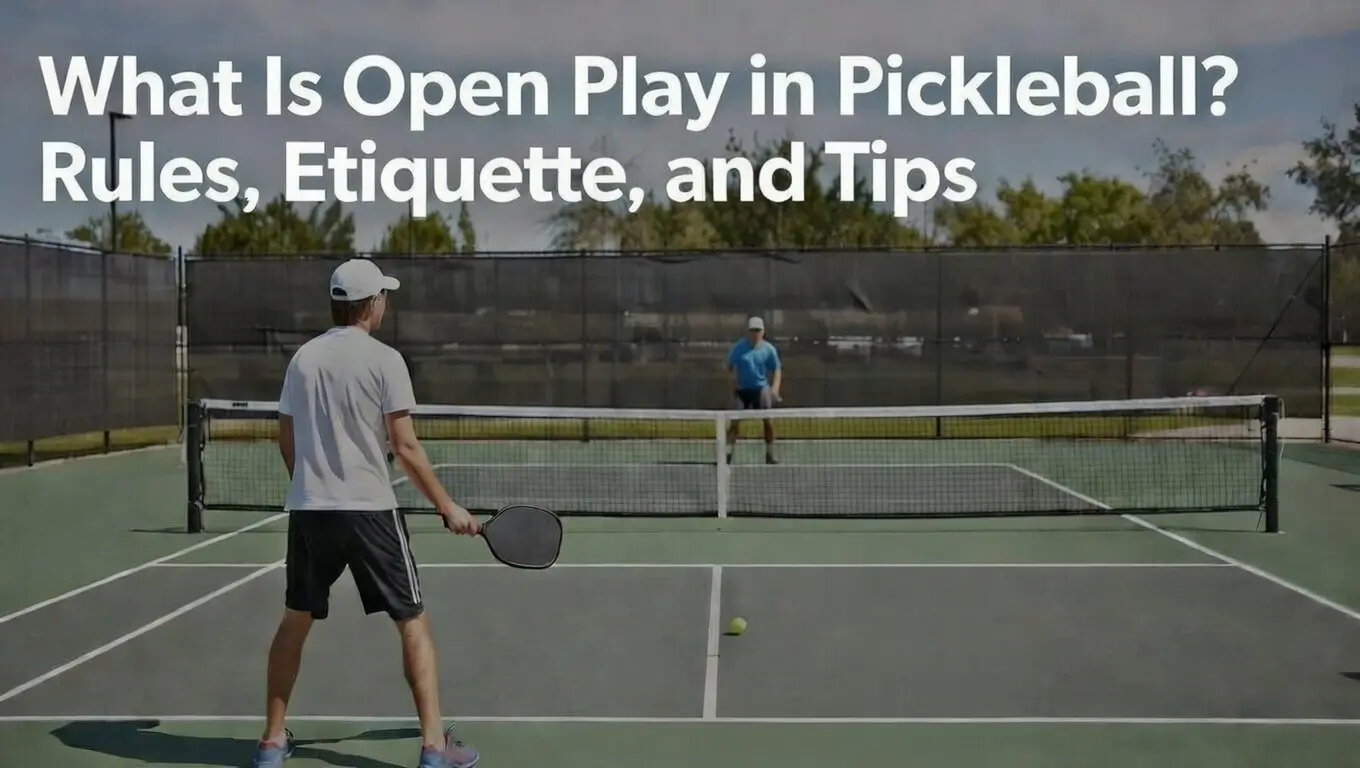
Open play in pickleball refers to designated times when players of all skill levels can show up and join games without prior scheduling. It’s a drop-in format where you don’t need a partner or a reserved court — you simply bring your paddle, place it in the rotation, and wait for your turn.
- Pickleball open play meaning: A community-driven session where games are formed on the spot.
- Pickleball drop-in sessions: Flexible opportunities to play without commitment.
- Pickleball community play: Encourages social interaction and inclusivity.
This system ensures that everyone gets a chance to participate, regardless of skill level or experience.
Why Open Play Is Important
Open play is more than just convenience — it’s the heartbeat of recreational pickleball.
- Skill Growth: Beginners learn by playing alongside advanced players.
- Social Connection: Builds friendships and strengthens local pickleball communities.
- Court Efficiency: Rotations keep games moving, maximizing limited court space.
- Low Pressure: Unlike tournaments, open play emphasizes fun over competition.
Open Play vs. Drop-In Play
Although often used interchangeably, there are slight differences:
| Feature | Open Play | Drop-In Play |
|---|---|---|
| Structure | Organized by clubs/facilities with set times | Informal, show up anytime |
| Inclusivity | All skill levels welcome | May vary by location |
| Rotation System | Paddle queues and posted etiquette | More casual, less structured |
| Community Focus | Strong emphasis on social play | Primarily about convenience |
Etiquette in Pickleball Open Play
To keep games fair and enjoyable, most open play sessions follow simple etiquette:
- Pickleball etiquette and rotation: Place your paddle in a queue to signal you’re waiting.
- Game Length: Standard games to 11 points, win by 2, to keep rotations moving.
- Inclusivity: Mix with different players, avoid forming cliques.
- Respect: Encourage beginners and maintain sportsmanship.
These recreational pickleball rules ensure that open play remains welcoming and efficient.
Conclusion
Open play is more than just a way to get on the court — it’s the foundation of pickleball’s welcoming culture. By embracing pickleball community play and following pickleball etiquette and rotation, players of all levels can enjoy the sport together. Whether you’re chasing your first rally or refining your strategy, open play ensures there’s always a place for you in the pickleball community.