 by
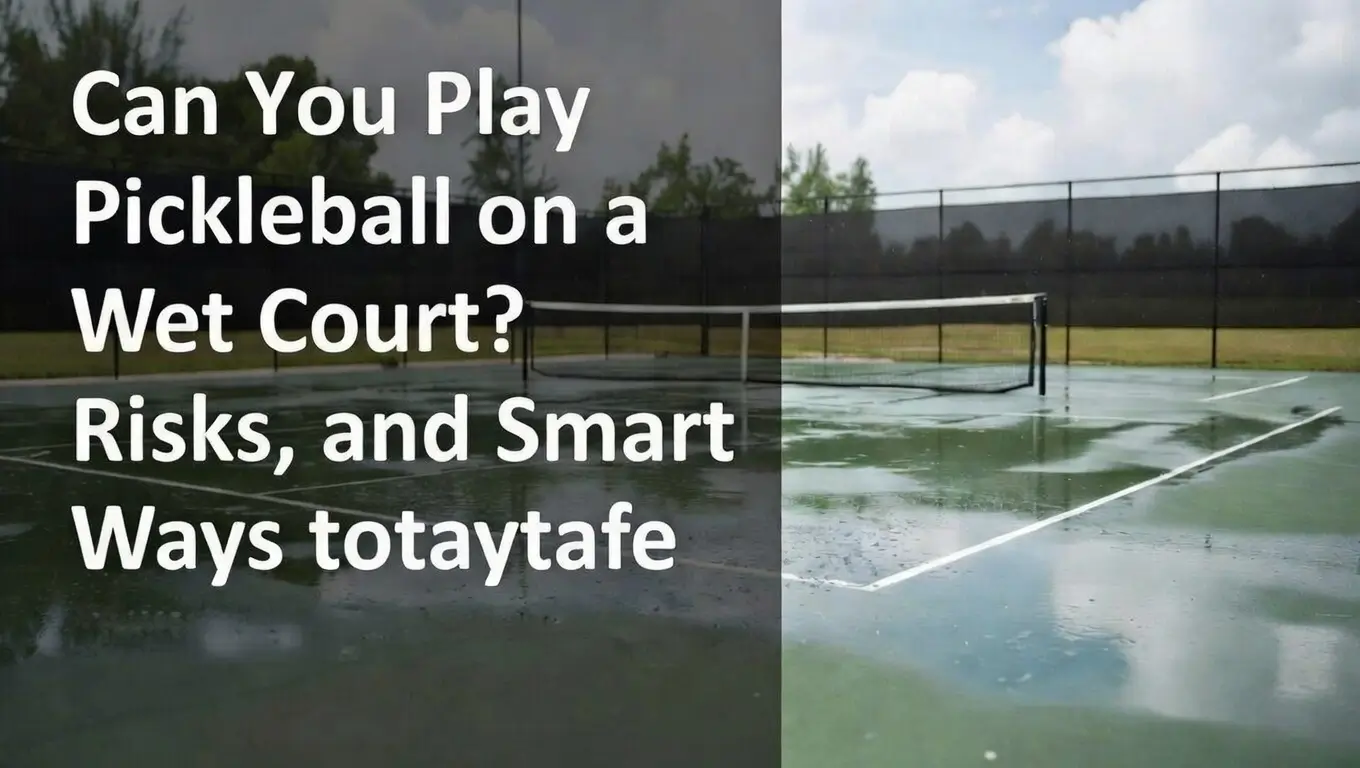
by Pickleball is a sport built on speed, agility, and precision. But what happens when the weather doesn’t cooperate? A common question players ask is: “Can you play pickleball on a wet court?” While technically possible, the risks to safety, gameplay, and equipment make it a poor choice.
Table of Contents
Why Wet Courts Are Unsafe for Pickleball
1. Slip and Fall Hazards
Wet courts are slippery, increasing the risk of injuries. Even with good shoes, sudden movements can lead to dangerous falls. This is why pickleball safety tips emphasize avoiding wet surfaces.
2. Unpredictable Ball Behavior
Moisture changes how the ball reacts. Instead of a consistent bounce, the ball may skid or stop suddenly, leading to pickleball serving faults and disrupted rallies.
3. Damage to Equipment
- Wet balls lose grip and bounce.
- Paddles can slip in your hand.
- Prolonged moisture can damage court surfaces, affecting long-term play.
Pickleball is about fun rallies — not slippery risks.
Pickleball Safety Tips for Wet Conditions
If you encounter damp courts, here are safe practices:
- Check for puddles: If water is pooling, don’t play.
- Dry the surface: Use rollers, squeegees, or blowers.
- Wear proper shoes: Footwear with strong traction reduces slipping.
- Keep balls dry: Rotate and wipe balls regularly.
- Play cautiously: Slow down movements and avoid sudden sprints.
These pickleball safety tips help reduce risks if you must play in less-than-ideal conditions.
Pickleball Etiquette and Community Rules
- Respect recreational pickleball rules: If conditions are unsafe, postpone play.
- Follow pickleball etiquette and rotation: Don’t pressure others to play in risky conditions.
- Prioritize safety: Community play thrives when players look out for each other.
Even though pickleball kitchen rules don’t directly apply to wet courts, the same principle of fairness and safety should guide your decisions.
Frequently Asked Questions
Ques1: Can you play pickleball indoors during rain?
Yes. Indoor courts are the safest option when outdoor courts are wet.
Ques2: How long does it take for a pickleball court to dry?
Depending on weather and surface type, courts may take 30 minutes to several hours. Using drying equipment speeds up the process.
Ques3: What happens if you play on a wet court anyway?
You risk pickleball serving faults, unpredictable rallies, and potential injuries.
Conclusion
While you can technically play pickleball on a wet court, it’s not recommended. Wet surfaces compromise safety, gameplay, and equipment. The smarter choice is to dry the court thoroughly or move indoors.