 by
by Pickleball is no longer just America’s fastest‑growing sport — it’s making waves in India too. From Delhi’s sports complexes to Bangalore’s gated communities, players are picking up paddles and discovering the thrill of this hybrid game. And one shot that often sparks curiosity is the pickleball drive shot.
If you’ve ever wondered why some players blast the ball past opponents while others rely on soft dinks, this guide is for you. Let’s break down the drive shot step by step, with practical tips, humor, and logic — all grounded in real techniques.
Table of Contents
What is the Pickleball Drive?
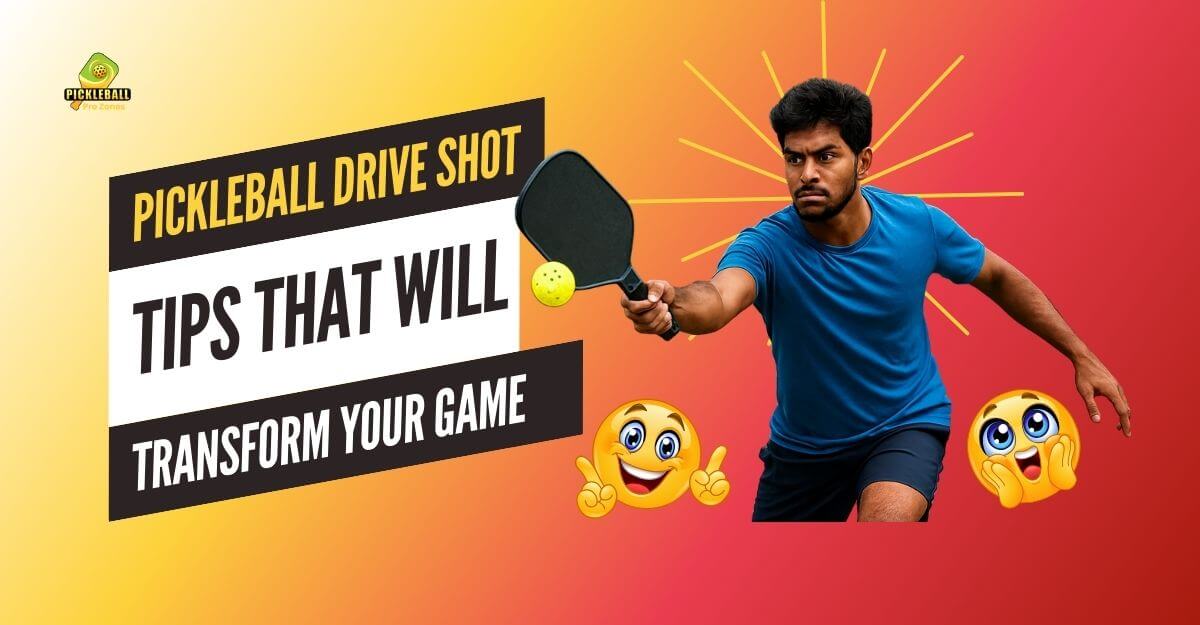
A drive shot is a fast, low, aggressive stroke usually hit from the baseline or mid‑court. Unlike a dink or drop, the drive is designed to apply pressure, forcing opponents into defense. Think of it as pickleball’s version of a cricket cover drive — clean, powerful, and deeply satisfying when executed right.
Indian players often find drives natural because many come from badminton or tennis backgrounds, where hard forehands are common.
How to Hit a Powerful Pickleball Drive
Powerful drives aren’t about brute force. Technique matters:
- Grip: Use a continental or eastern grip for control.
- Stance: Stay balanced, knees bent, paddle ready.
- Swing Path: Compact backswing, accelerate forward, finish high.
- Weight Transfer: Shift from back foot to front foot — just like stepping into a cricket shot.
💡 Tip: Don’t swing like you’re chopping wood. Smooth acceleration generates more consistent drives.
When to Use the Pickleball Drive
Timing is everything. Drives are most effective when:
- Opponents leave a return high.
- You want to test defensive players.
- Outdoor play (common in India) makes soft drops tricky in wind.
In doubles, drives can set up your partner at the net. In singles, they help you control rallies.
Common Mistakes with the Drive Shot
Even experienced players slip up. Common errors include:
- Overhitting: Sending the ball long.
- Flat Footwork: Reaching instead of stepping into the shot.
- Predictability: Driving every ball without variation.
Fixes: Focus on placement, step into the shot, and mix drives with drops.
The Third Shot Drive Explained
The third shot is critical in pickleball. Traditionally, players use a “third shot drop” to neutralize opponents at the net. But the third shot drive is an aggressive alternative — blasting the ball instead of dropping it.
In India, where many players prefer fast rallies, the third shot drive is becoming popular.
When to Hit the Third Shot Drive
Choose the third shot drive when:
- Opponents struggle with pace.
- You want to surprise them after several drops.
- Outdoor conditions (like wind) make drops unreliable.
It’s not always the safest option, but it adds variety and unpredictability to your game.
Advanced Techniques for Power Drives
Once you’ve mastered basics, add these tricks:
- Topspin Drive: Brush up on the ball to dip it faster.
- Cross‑Court Drive: Aim diagonally to exploit angles.
- Body Targeting: Drive toward the opponent’s torso to limit their reaction.
These techniques require practice but can turn your drive into a weapon.
Singles vs Doubles Drive Strategy
- Singles: Drives are more common because you need to cover the whole court. Aggression pays off.
- Doubles: Drives are riskier since two opponents guard the net. Use them to set up your partner rather than finish points.
Biomechanics & Footwork Tips
Your body mechanics matter as much as your paddle.
- Rotate hips and shoulders for natural power.
- Keep feet light and ready to adjust.
- Avoid flat‑footed swings — they kill momentum.
Think of it like dancing: smooth footwork makes the shot flow.
Drills to Practice the Drive Shot
Practice makes perfect. Try these drills:
- Wall Drill: Hit drives against a wall for consistency.
- Partner Drill: Alternate between drops and drives to improve decision‑making.
- Target Drill: Place cones and aim drives for accuracy.
Indian clubs often run group drills — join one to improve faster.
Essential Equipment for Maximizing Drive Power
Your paddle matters. Composite and graphite paddles with a polymer honeycomb core provide the best mix of power and control.
- Grip Size: Choose one that fits your hand to avoid fatigue.
- Ball Type: Outdoor balls are harder and faster, ideal for drives in Indian weather.
Brands like Franklin, Onix, and Selkirk are popular globally, but Indian players can also find affordable local options.
Situations Where Drives Are Risky
Drives aren’t always the answer. Avoid them when:
- Opponents excel at volleying.
- You’re off balance or out of position.
- Windy conditions make control difficult.
Sometimes, patience with a drop shot wins more points than a reckless drive.
Frequently Asked Questions (FAQs) About Pickleball Drive Shots
Ques1: Is The Drive Shot Good For Beginners In India?
Ans: Yes, but start slow. Focus on control before adding power.
Ques2: What’s The Difference Between a Drive And a smash?
Ans: A drive is hit from the baseline or mid‑court, while a smash is an overhead put‑away.
Ques3: Can You Rely Only On Drives To Win?
Ans: No. Drives are powerful, but mixing in drops, dinks, and lobs keeps your game unpredictable.
Conclusion: Building Confidence with the Drive Shot
The pickleball drive shot is more than just hitting hard. It’s about timing, technique, and strategy. For Indian players, drives feel natural thanks to badminton and tennis backgrounds. But mastering when to use them — and when not to — is what elevates your game.
So grab your paddle, practice those drills, and remember: pickleball isn’t just about power, it’s about playing smart. For more save pickleball pro zones.